How do I know if I should replace my AC or repair it?
Age, repair history and cost matter most. A unit past 12 to 15 years with repeated repairs is often a replacement candidate. A provider can inspect it.
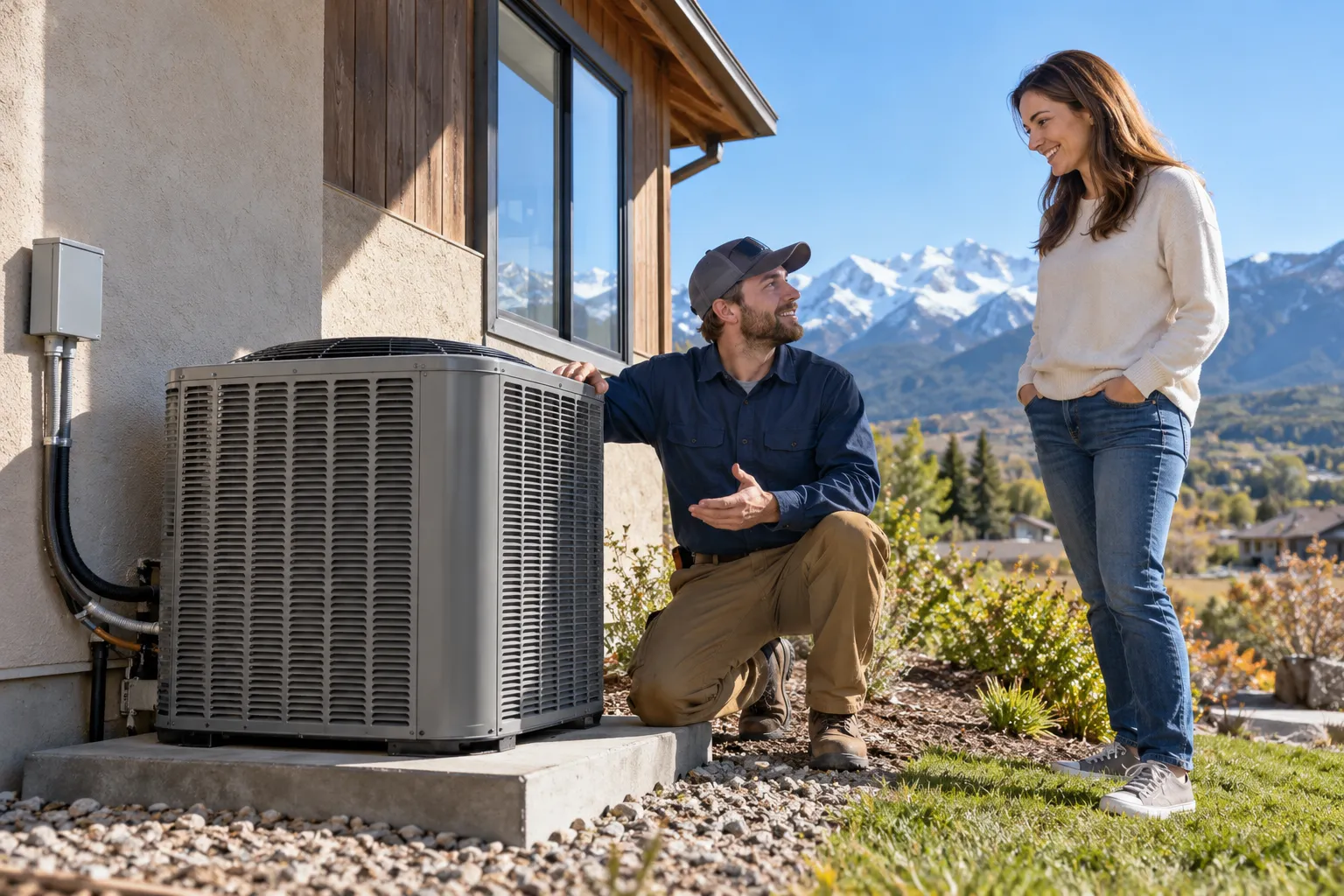
An air conditioner does not last forever. Most wear out after 12 to 15 years, and hot summers at altitude can shorten that. When repairs pile up, or the unit cannot keep your rooms comfortable, a new system may be the safer and smarter choice.
Goldencarefully Heating & Air is a referral service. We do not install anything. We connect homeowners in Frederick and the Frederick area with independent HVAC service providers who size, install and test new cooling systems. This page explains the warning signs, the system types, and the questions worth asking. It also covers what keeps a new unit healthy after the work is done, with extra notes for older homes.
If your AC quits during a heat wave, stay safe before you start shopping. Move to the coolest room. Drink water. Check on children, older adults and pets. Do not keep running a unit that smells like burning or trips the breaker again and again.
Then ask one question. Is this a repair, or is the system at the end of its life? A provider in our network can inspect it and tell you. If you need emergency AC repair to get through a hot night, say so when you reach out. Many providers can respond quickly, though availability varies.
One sign alone is not a verdict. Two or three together usually mean it is time to talk about a new system.
Do switch the thermostat to off if the unit is acting strangely. Do clear leaves and debris from around the outdoor unit. Do take a photo of the model label.
Do not open the electrical panel on the unit. Do not add refrigerant yourself. Do not pour bleach into the drain line. Do not sign a contract on the spot for someone who knocks on your door.
Older homes hold surprises. Ducts may be small, leaky or wrapped in worn insulation. Past repairs may hide patched wiring or a closed-off chase. A new unit may not fit the old setup without changes.
Newer frame homes are different. They are often tighter and have cleaner duct runs, but the first system may have been sized on the small side. Tell the provider how old your house is. It changes what they check.
Bigger is not better. An oversized unit cools fast, shuts off, and leaves the air damp and uneven. An undersized unit runs all day and wears out early.
Sizing should come from a load calculation, not a guess based on the old unit. A careful provider measures rooms and checks windows, insulation and sun exposure. Strong sun at altitude and dry air change the math. Ask to see the numbers.
Scope varies by home, so get it in writing. A typical job covers:
In snowy areas, ask about mounting height so heavy snow does not bury the unit. In hail country, ask about a guard.
The indoor coil, outdoor unit and blower should work as a matched set. Mismatched parts can waste power and shorten life.
Heating and cooling often share the same ducts. If you have been typing furnace replacement near me into a search bar, mention that to the provider. They may suggest planning both jobs together. Furnace work is a separate service with its own page.
Efficiency is shown as a SEER2 number. A higher number means less electricity for the same cooling. It also means a higher price up front.
How fast it pays back depends on how often you run the AC and what power costs where you live. Ask the provider to compare two options in writing. Ask, too, about utility programs that may help with the cost.
A new system still needs care. Repair, then protect.
Warranty terms vary, and skipped maintenance can matter. Read yours.
The provider measures your home and sun exposure so the new unit fits the space, not the old guess.
The old system comes out and the refrigerant is recovered safely, as the rules require.
The condenser, indoor coil, lines, drain and thermostat are connected and checked as a set.
Airflow and charge are tested, then the provider explains filters and upkeep.
Prices vary a lot by home size, system type and duct condition. These are typical U.S. ranges only. Ask each provider for a written quote that lists every item.
| Item | Typical range | Notes |
|---|---|---|
| Central AC replacement | $5,000 – $12,000 | Depends on size, rating and brand |
| Heat pump replacement | $6,000 – $14,000 | Cools and heats; cold-climate models cost more |
| Ductless mini-split (one zone) | $3,000 – $7,000 | More zones add to the total |
| Duct sealing or repair | $500 – $2,500 | Older homes may need more work |
| Thermostat upgrade | $150 – $600 | Smart models cost more |
| Pad, wiring or permit updates | $300 – $2,000 | Varies by local rules and home |
Request a callback to check provider availability, or send the request form and say what your AC is doing.
Tell the provider the age of your house, your current unit and any past repairs.
Compare scope, equipment, permit handling and warranty terms before you agree to anything.
The provider installs and tests the system, then explains the upkeep that protects it.
Providers look at wiring, drainage and airflow before they talk about brands or prices.
Aging ducts and past repairs get a closer look before a new unit goes in.
Providers in our network are separate businesses that do the work and stand behind it.
Ask for simple maintenance steps so your new system stays healthy for years.
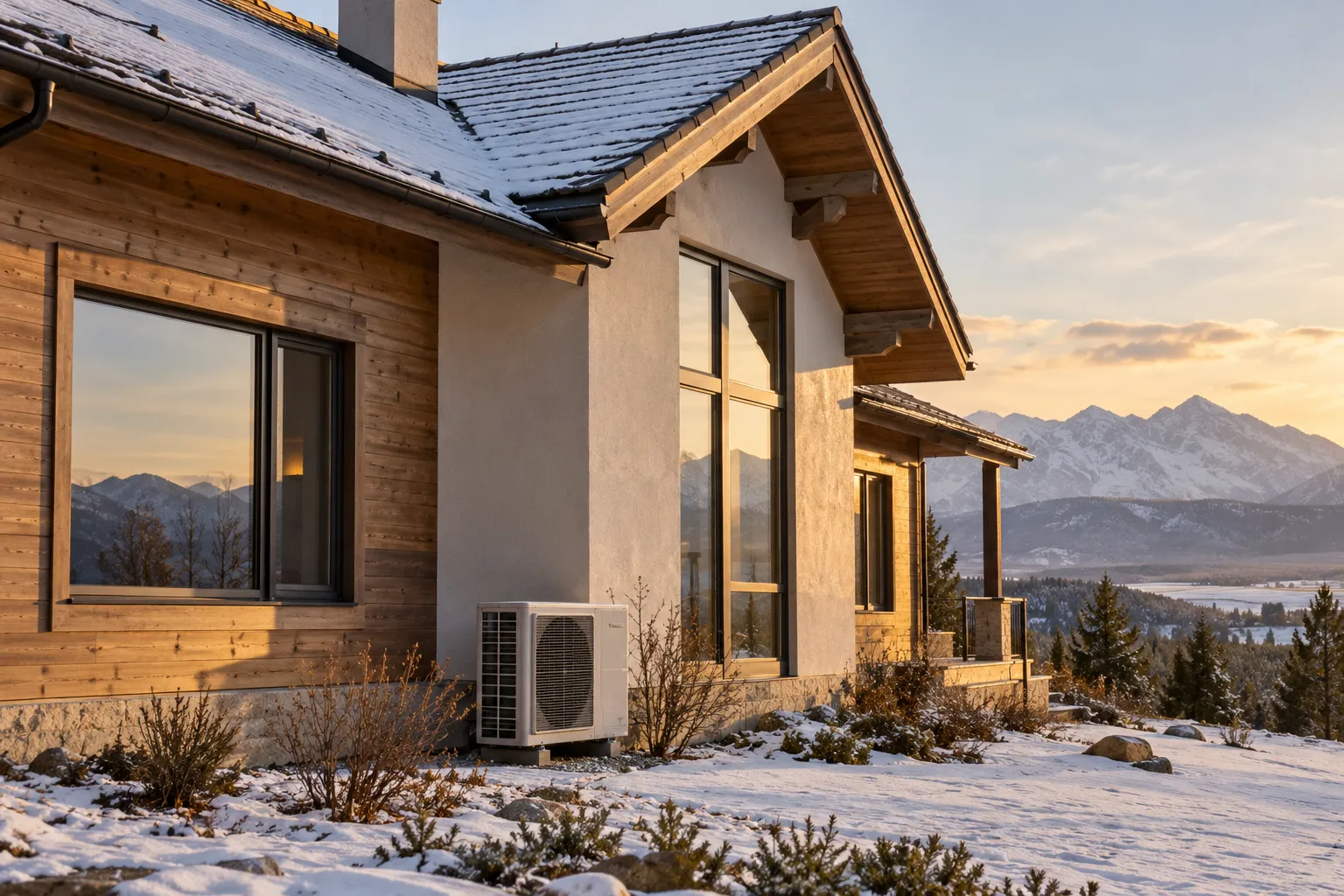
Tell us what your heating or cooling system is doing. Request a callback to check provider availability, or send a request and a local provider will follow up.
No obligationAge, repair history and cost matter most. A unit past 12 to 15 years with repeated repairs is often a replacement candidate. A provider can inspect it.
Typical U.S. prices run roughly $5,000 to $12,000, but size, brand, ductwork and home age change the total. Get a written quote from each provider before you decide.
Sometimes, but the indoor coil and outdoor unit should match. A provider can check whether your parts are compatible or whether replacing the full set makes more sense.
Tell us what your heating or cooling system is doing. Request a callback to check provider availability, or send a request and a local provider will follow up.
No obligation